

RECENT POSTS
-
 April 13, 2026
 -
 April 6, 2026
 -
 March 23, 2026
 -
 March 16, 2026
 -
 March 9, 2026
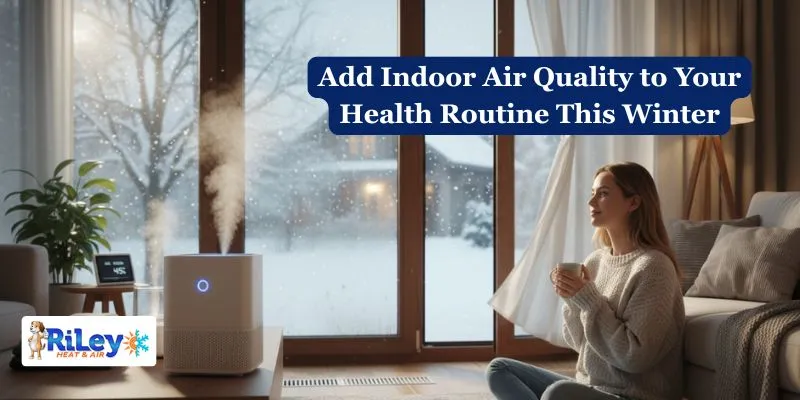
Add Indoor Air Quality to Your Health Routine This Winter
Winter is not only beyond your windows—it settles within your home. Sealed rooms and constant heating recycle the same stale air, trapping dust and hidden pollutants. Shockingly, indoor air can become more contaminated than the crisp air outside during colder months.
As you focus on warmth and wellness, remember this: every breath matters. The air you inhale is your most constant exposure—keep it clean, fresh, and safe.
Why Indoor Air Quality Becomes Critical in Winter
There is a simple reason why winter air is worse inside than out. Everything slows down. Fresh air no longer enters the system, while stale air has nowhere to go. The system continues to recirculate the same air repeatedly. Eventually, the pollutants accumulate and stay there.
Cold weather also changes how air moves, reducing ventilation and allowing particles like dust, smoke, and chemicals to accumulate inside your home. Moreover, since people naturally spend more time indoors during winter, exposure increases without you even realizing it.
The Health Signals You Should Not Ignore
Poor air quality in your home does not make a big noise.
It manifests itself in different ways, including:
- Waking up with a dry throat
- Feeling irritated on your skin
- Feeling tired, even after a good night’s sleep
- Experiencing worse allergy symptoms than normal
Dry air, common in winter, can irritate your respiratory system, circulate dust, and make breathing uncomfortable. In severe cases, indoor air pollution has been linked to respiratory diseases, heart problems, and other health risks.
The problem is, most of these pollutants are not visible. Therefore, you do not see the problem; you only see the effects.
Common Sources of Indoor Air Pollution in Winter
The largest sources are often the most mundane aspects of our daily lives.
- The constant operation of heating systems.
- The closing of windows, keeping stale air inside
- The lingering fumes of cooking
- The chemicals used in cleaning products off-gas into a closed environment
- The buildup of moisture, which results in mold
- The circulation of dust and pet dander through ventilation systems
Something as simple as poor ventilation during heating can cause the buildup of dangerous gases, such as carbon monoxide, if the system is not maintained. It is not a matter of removing these things entirely. It is a matter of managing these things.
Practical Ways to Improve Indoor Air Quality This Winter
Improving your indoor air quality does not require a complete lifestyle overhaul. It is more about small, consistent habits done the right way.
1. Let Fresh Air In, Even When It Is Cold
It may seem counterintuitive, but even a few minutes of fresh air can make a difference. Fresh air helps to eliminate pollutants, reduce moisture, and improve air circulation. It is like hitting a refresh button on your space.
2. Keep Humidity Balanced
Winter air tends to be dry, and dry air does more than make us uncomfortable. It irritates your throat, dries out your skin, and allows dust particles to linger in the air longer. Keeping humidity levels balanced helps reduce irritation and promotes a healthier environment.
3. Stay On Top of Dust and Allergens
Dust builds quietly. On surfaces, in fabrics, and inside vents. Once disturbed, these particles become part of the air you breathe. Regular cleaning, especially vacuuming and wiping surfaces, can significantly reduce airborne particles and allergens.
4. Maintain Your Heating and Ventilation Systems
Your heating and ventilation system is more than just keeping your house warm. It also relates to maintaining high air quality. Your air quality will be severely impacted if your system’s filters, ducts, or the entire system are not properly maintained.
5. Be Mindful of Everyday Air Pollutants
You would be surprised how much your daily activities contribute to your air quality. Be sure to use cleaning products in well-ventilated areas, avoid aerosol products, and ventilate your kitchen adequately. These daily activities will help maintain high air quality.
6. Use Air Quality Tools When Necessary
While your daily activities will go a long way in keeping your air quality high, there will be times when things do not go as planned. Tools such as air purifiers, humidifiers, and ventilation systems will help maintain high air quality, especially if your house remains closed for long periods.
Turning Indoor Air into A Daily Health Habit
Most health routines focus on what you actively do. Eat better, Exercise more, Sleep well. Nevertheless, indoor air quality is different. It is a passive yet constant effort that helps shape your health, whether you think about it or not.
You can adopt a healthy lifestyle this winter by noticing it and asking the following questions.
- How does the space feel?
- Does the air feel dry, heavy, stale?
- How do you feel after opening the window?
Making these observations leads to better habits, and better habits lead to better health.
Conclusion
Winter is a time when your home should be warm, peaceful, and comfortable, not stuffy and exhausting. If your home does not feel right, if your air is dry, smells, and has dust, then it is time to take a closer look. Your home has a much greater impact on your overall health than most people realize.
While a few adjustments can make a big difference, sometimes a professional approach is what it takes to really improve your air quality. If you are ready to make your home a healthier, more breathable place this winter, contact Riley Heat & Air today. Because when it comes to your air, it is not just about how comfortable you are.