

RECENT POSTS
-
 April 6, 2026
 -
 March 23, 2026
 -
 March 16, 2026
 -
 March 9, 2026
 -
 March 2, 2026
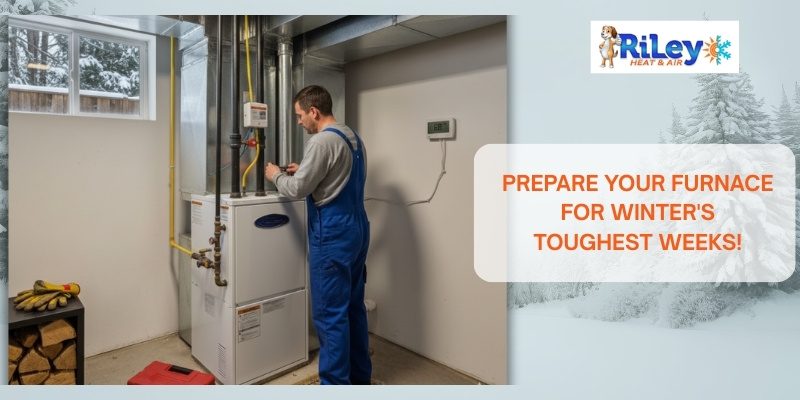
Is Your Furnace Ready for the Coldest Weeks of Winter? A January Checklist
January is when winter stops being polite. The holidays are over. The novelty of cold weather has worn off. Nights are longer, mornings are sharper, and your furnace is no longer on standby, often working every single day for hours at a time.
That is why January is the real test. If your furnace is going to struggle, this is when you will notice it. A little noise you ignored in December. Rooms that feel colder than they should. Heating bills that quietly creep up.
This guide walks through a practical January furnace checklist, simple steps, and clear explanations to help make sure your system can handle the coldest weeks of the season.
Why January Furnace Checks Matter More Than Ever
By January, your furnace has already logged serious hours. Any small issue from the fall has had time to grow. Dirty filters restrict airflow. Loose connections worsen with constant cycling. Minor drafts force the system to work harder than necessary. And when temperatures drop suddenly, those weaknesses show up fast.
A January check is about stability.
- Keeping heat consistent.
- Avoiding breakdowns when outdoor temperatures are least forgiving.
A well-maintained furnace does not just keep you warm. It runs safer, uses less energy, and holds up longer under pressure.
1. Start With the Air Filter (Always)
This is the simplest step and still the most overlooked. Your furnace needs steady airflow to operate correctly. When the filter is clogged with dust, pet hair, or debris, airflow drops. The system compensates by running longer and harder.
All of this leads to:
- Higher energy use
- Uneven heating
- Added strain on your system’s components.
So, check your filter this January, even if you already changed it earlier in the season. If you have pets, allergies, or use your heat often, you will likely need a new filter every month or so. If the filter looks gray or clogged with dust, replace it.
2. Check Thermostat Performance and Settings
Think of your thermostat as the command center for your home. If it is not working right, nothing else will be either. This month, make sure:
- The number on the display actually matches how your home feels.
- Double-check the schedule to see if it is set for your real routine or if it is running when no one’s there.
- If your thermostat uses batteries, put in new ones.
Low batteries can cause the temperature to fluctuate or delay the system’s response. And with older thermostats, dust inside can affect accuracy. If certain rooms feel too hot or too cold, the thermostat is usually the first thing to check.
3. Make Sure Vents and Registers Are Clear
It is easy to forget about vents once furniture is rearranged for winter. Walk through your home and check that:
- Vents are not blocked by rugs or furniture.
- Curtains are not covering the registers.
- Airflow feels consistent from room to room
Blocked vents create pressure issues inside the system. Over time, that added strain affects the blower motor and heat exchanger. Clear airflow equals steady comfort.
4. Inspect Around the Furnace Area
January is a good time to step back and look at the furnace itself. The area around it should be
- Clear of boxes, cleaning supplies, or storage
- Free of flammable materials
- Easy to access
Furnaces need proper clearance for safe operation and maintenance. Crowded utility spaces can trap dust, restrict airflow, and increase safety risks. A clean area also makes it easier to spot leaks, rust, or unusual wear.
5. Listen for Sounds That Do Not Belong
You do not need tools for this one. Just pay attention. Normal furnaces hum and cycle quietly. Sounds that deserve attention include:
- Grinding
- Banging
- Squealing
- Rattling
These noises often point to loose parts, worn bearings, or airflow problems. Ignoring them rarely helps. In winter, they tend to get worse. If the furnace turns on and off rapidly, known as short cycling, that is another sign that something is not right.
6. Pay Attention to Smells
When you first turn on the furnace for the season, a brief dusty smell is normal. In January, persistent odors are not. Be cautious of:
- Strong burning smells
- Gas- or sulfur-like odors
- Musty or metallic scents
A professional should check any smell that lingers or worsens. Furnaces deal with combustion, electricity, and airflow; unusual odors are worth taking seriously.
7. Test Carbon Monoxide Detectors
This step protects more than comfort. It protects lives. Carbon monoxide is invisible and odorless. A malfunctioning furnace or blocked vent can allow it to build up inside a home without warning.
In January:
- Test your carbon monoxide detector
- Replace the batteries if needed.
- Ensure detectors are placed close to sleeping locations
This is a basic check with major implications.
8. Check for Drafts and Air Leaks
A good furnace will not perform well under conditions where the heating is constantly being lost. Check:
- Doors and windows
- Access points for the attic
- Gaps are visible around the frames.
The cold air leaks mean the furnace has to work longer to keep the same temperature. Getting the leaks fixed increases the comfort level and reduces energy consumption at the same time. It also makes for a very cost-effective winter solution.
9. Do Not Ignore the Outdoor Components (If Applicable)
In homes with heat pumps or outdoor units, it is wise to check other outdoor areas too. It is essential to ensure:
- Leaves and debris removal
- The air is not being blocked by snow.
- The unit has space to breathe
This impacts the heating process, particularly in freezing temperatures, as the restricted outdoor airflow prevents the proper exchange of air.
A Reliable Furnace Makes Winter Easier
When your furnace is working the way it should, winter feels manageable.
- Rooms stay comfortable.
- Energy bills stay predictable.
- There is no anxiety when temperatures drop overnight.
January does not have to be stressful. It can simply be cold and warm inside.
Conclusion
No one wants their heater to stop working during the coldest days of winter. Taking a few minutes now to do some checks and calling in the pros if needed can keep your heating system operating smoothly when you need it most. HVAC specialists say January is actually the ideal time to check up on your system.
If you want assurance that your furnace can handle whatever winter brings, schedule an inspection with Riley Heat & Air.