

RECENT POSTS
-
 March 23, 2026
 -
 March 16, 2026
 -
 March 9, 2026
 -
 March 2, 2026
 -
 February 23, 2026
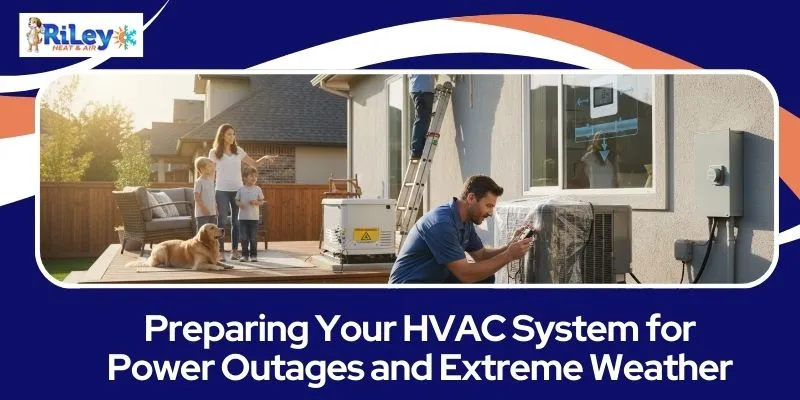
Preparing Your HVAC System for Power Outages and Extreme Weather
With the increasing cases of severe weather and power outages nationwide, preparing your home's HVAC system is essential. It might be a tropical summer storm, a winter freeze, or a blackout. Still, the heating, ventilation, and air conditioning system has certain stress factors that can cause it to break down, become expensive to fix, or even go out completely unless it is prepared.
In this blog, we will take you through what you should know to stock up your HVAC system in the event of a power failure and even extreme weather.
Understanding the Risks to Your HVAC System
The HVAC systems easily fall victim to extreme weather conditions. They are of a type that only operates in mild weather conditions, such as constant power supply, regulated indoor conditions, and moderate outside weather. But harsh climate reminds us of these theses:
- Power outages may cause disruption of operations and dangerous voltage spikes upon restoration of power. Occasions of surges and brownouts (temporary voltage reduction) may cause damage to sensitive parts such as compressors, circuit boards, and thermostats.
- The physical damage of the outdoor units is possible due to the high winds, heavy rain, and debris, which can cause the restriction of airflow or mechanical breakdown.
- Severe temperatures, either hot or cold, cause the systems to labor more than usual, thus wearing and reducing efficiency.
That is why a considerate maintenance and emergency preparedness plan not only safeguards the comfort but also increases the age of your equipment.
Step 1: Routine Maintenance Is the Foundation
The planning of a disaster begins way before a storm or a blackout hits.
Schedule Professional Inspections
Semi-annual maintenance, usually during spring and fall, assists in making sure that your HVAC system is appropriate to the needs of summer cooling and winter heating. A professional technician has the opportunity to:
- Check refrigerant levels
- Check the electricity connectors.
- Cleaning coils and heat exchangers
- Determine weak parts earlier than they break during stress
These preventive measures ensure that breakdowns are minimized when the stress is at its maximum stage.
Replace and Clean Air Filters Regularly
The dirty filters block airflow, increase the labor of your system, and lower its capability to operate in extreme temperatures. Filter the checks monthly, and change them after 1-3 months, particularly in peak seasons of use.
Clean filters not only work well; they help to taste good inside your home, and also they can save on the workload on your HVAC blower motor.
Step 2: Protect the Outdoor Unit from the Elements
The outdoor condenser unit is especially vulnerable to weather dangers.
Clear Debris and Ensure Airflow
The presence of leaf accumulation, dirt, and plants surrounding the outdoor unit obstructs the airflow. Before storm season, clear a minimum of 2 feet of the area around the unit.
Secure the Unit Against Wind and Debris
In case there are possibilities of high winds or tornadoes in the place where you live, make efforts to ensure the unit stands in place, will not move, tip, or be hit by an impact.
Use Protective Covers Carefully
No condensation can be trapped easily in breathable, manufacturer-approved covers that can protect your unit against falling debris and surplus moisture. Never put an outdoor unit in a plastic wrap, though, as this is known to hold moisture and cause rust or mold.
Step 3: Strengthen Your Electrical Defenses
Install HVAC-Specific Surge Protection
The outage can be overcome by powering up, but spikes when power is restored are dangerous. Specially designed surge protectors (HVAC surge protectors) can protect the delicate electronics.
Surge protection minimizes the potential costly electrical damage to compressors, control boards, and thermostat wires.
Know When to Shut Off During Severe Weather
In some extreme circumstances, such as the coming of a hurricane, disconnection of your HVAC system at the breaker, and then when the storm arrives, will not only save your system against surges but also prevent physical damage.
Once the weather has proven to be safe and conditions are conducive, then have a qualified technician check on the system, after which the system should be turned on.
Step 4: Prepare for Power Outages with Backup Options
HVAC performance is still interrupted by power loss even in the presence of surge protection. That gap can be bridged in the following ways:
Invest in a Backup Generator
Your HVAC system can be powered in case of a power outage lasting longer than necessary by a portable or whole-house generator. Whole-house models offer the most continuous protection, making both the cooling and heating systems continue operating despite the power interruptions.
To be on the safe side, a professional should install a transfer switch. It is essential to make sure that your generator will work with your electrical panel at home and not feed back the power in, as it is dangerous.
Wait Before Restarting After an Outage
After returning power, do not be tempted to turn your HVAC system on as soon as it is off again. Giving time (10-15 minutes) to the grid stabilizes it and puts less strain on electronics and motors (particularly in air conditioners).
Step 5: Insulate, Seal, and Tune Your Home
The more energy efficient your home is, the better your HVAC system performs.
Ideal Seal Leaks and Insulation.
Ducts that are under-insulated, gaps surrounding doors and windows, and gaps around poorly fitted ducts permit the leakage of conditioned air and increase the workload of your HVAC unit. Use weather stripping and close ducts where necessary in order to have temperature control in extreme weather conditions.
Use Programmable or Smart Thermostats
Temperature controllers can be turned on to turn down the heat when it is hot and turn up the heat when it is cold. They also have the ability to retain settings in the event of short power cuts using backup batteries.
Conclusion
Getting your HVAC system ready to run without electricity or face extreme weather conditions is not a one-time operation but a proactive, logical process. These measures will prevent future remedies that will prove expensive and ensure that your house is safe and comfortable when extreme weather challenges your house.
Do not wait till the next storm or blackout comes and consider your HVAC system. Contact Riley Heat & Air today and have your system professionally checked and inspected to install the surge protection.