

RECENT POSTS
-
 March 9, 2026
 -
 March 2, 2026
 -
 February 23, 2026
 -
 February 16, 2026
 -
 February 9, 2026
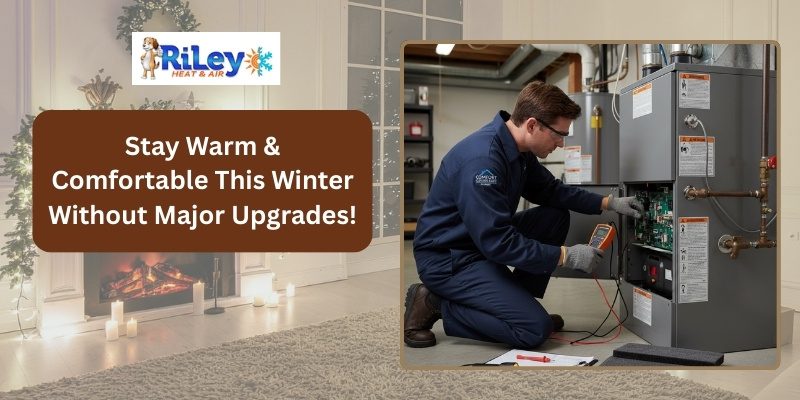
Why January Is a Critical Month for Furnace Safety Checks
January has a way of revealing the truth about your furnace. By this point in winter, your heating system has already been running hard for weeks, sometimes months. The easy days of fall are long gone. Windows stay shut. Cold settles in. And your furnace quietly becomes one of the most important and most stressed systems in your home.
That is exactly why January matters.
A mid-winter furnace safety check is not just a nice idea or a box to tick. It is often the moment when hidden problems show themselves, when wear turns into risk, and when small issues can still be caught before they become dangerous or expensive.
For homeowners, January is less about comfort and more about the protection of your family, your home, and your budget.
1. Winter Stress Pushes Furnaces to Their Limits
Furnaces are not designed for occasional use in January. They are running daily, often for long cycles, fighting the coldest air of the year. That constant demand creates stress. Parts expand and contract repeatedly. Electrical connections heat up and cool down. Burners fire thousands of times. Blower motors move massive volumes of air day after day.
Even a furnace that looked fine in November may now be operating under very different conditions. January is when fatigue shows up. Belts loosen. Filters clog faster. Components that survived lighter use in early winter may now be close to failure. Without a mid-season check, these issues often go unnoticed until the system shuts down.
2. Carbon Monoxide Risks Are Highest Mid-Winter
Carbon monoxide is one of the most serious furnace-related dangers, and January is peak season for it.
Your furnace produces carbon monoxide as a natural byproduct of combustion. When everything is working properly, that gas exits safely through the venting system. But heavy winter operation increases the risk of cracks in the heat exchanger, one of the furnace’s most critical components.
Heat exchangers endure constant thermal stress. Over time, that stress can cause small fractures that allow carbon monoxide to leak into the air circulating through your home. The danger is that carbon monoxide is invisible. You cannot smell it. You cannot see it. And early symptoms like headaches, dizziness, and fatigue are easy to dismiss as seasonal illness or winter exhaustion.
January inspections focus on detecting these risks when they are most likely to occur, using professional tools and testing methods that homeowners do not have access to.
3. Efficiency Drops as the Season Wears On
Even the best furnaces lose efficiency as winter progresses. Dust accumulates. Burners get dirty. Filters clog. Heat exchangers do not transfer heat as effectively. The system runs longer to maintain the same temperature, burning more fuel to deliver less warmth.
That inefficiency hits hardest in January, when heating demand and utility rates are often at their highest. A furnace operating at reduced efficiency can drive energy costs up by 10–20% without any obvious warning signs. The house still feels warm, but you are paying more for it every day.
A mid-winter safety and performance check helps restore efficiency when it matters most, rather than waiting until spring when the savings opportunity has already passed.
4. Air Quality Suffers When Furnaces Are Overworked
January also tends to be the month when indoor air quality problems become noticeable. Homes stay sealed. Fresh air circulation drops. Furnaces run almost constantly, pushing air through ductwork thousands of times a day. If filters are dirty or components are not clean, that system becomes a delivery mechanism for dust, allergens, and irritants.
Poor combustion can introduce additional particles into the airstream. Dirty blower assemblies can spread buildup throughout the home. For families with asthma, allergies, or other respiratory sensitivities, this can make winter especially uncomfortable.
A thorough furnace check in January addresses not just heat but also the quality of the air you are breathing during the season when you spend the most time indoors.
What Professionals Look for During a January Furnace Check
An inspection of a furnace in mid-winter is much more than just a visual inspection. Technicians pay attention to those parts of the system that are the most sensitive to winter stress, beginning with the heat exchanger. It is inspected by means of special methods that identify cracks, corrosion, or signs of failure, which may lead to exposure to carbon monoxide.
Blower motors and belts are checked in terms of wear, alignment, and electrical strain. Gas connections and valves are checked in terms of any leakage and the correct pressure. Electrical connections are also inspected for being loose or overheating due to cycling.
To provide effective, safe combustion, burners are washed and modified. Filters are replaced. Thermostats are calibrated. The airflow is checked to ensure that the system does not work harder to make sure it is functional.
These checks are not in principle. They are founded on what failed in January and not what may fail in the future.
What Homeowners Can Safely Do Themselves
Homeowners still play an important role in furnace safety. Changing filters regularly is one of the most effective steps you can take. Keeping vents unobstructed, maintaining clear space around the furnace, and testing smoke and carbon monoxide detectors all contribute to a safer winter.
Pay attention to warning signs. Strange noises. Longer run times. Uneven heating. Unexplained increases in energy bills. These clues often appear before major problems do.
What homeowners should not do is attempt to inspect gas lines, electrical components, or internal furnace parts. Those systems require training, certification, and proper safety equipment to be handled safely.
Conclusion
Your furnace does not get a break in January. It carries the full weight of winter, day after day, often without complaint until something goes wrong. A mid-winter furnace safety check is a small, intentional pause. A moment to make sure everything is working as it should, that your home is safe, and that the system you rely on most is ready to handle the rest of the season.
If winter is already here and your furnace has not been checked since fall, now is the time to act. Scheduling a professional inspection in January can help protect your family, control energy costs, and prevent the kind of emergencies no homeowner wants to face in the middle of winter.