

RECENT POSTS
-
 October 19, 2026
 -
 October 12, 2026
 -
 October 5, 2026
 -
 September 22, 2026
 -
 September 15, 2026
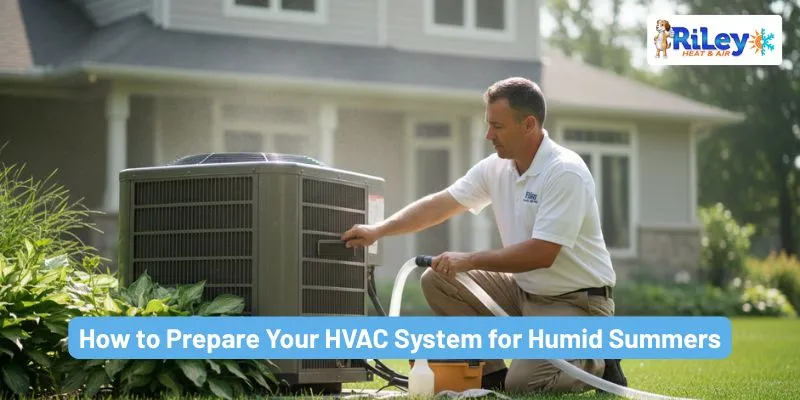
How to Prepare Your HVAC System for Humid Summers
In humid summers, the air is sticky, and rooms feel warmer than they should be. Your AC runs for longer periods, yet somehow comfort seems just out of reach. And that is because humidity is the real game-changer.
Humidity is not just about how you feel in your home. It is about how your HVAC system works, how much you spend on utilities, and even about your health. So, you must plan and prepare your HVAC for a humid summer.
Why Humidity Puts Extra Stress on Your HVAC System
Heat alone is one thing. Humidity is another layer entirely. When moisture levels rise, your HVAC system has to do double the work: cool the air and remove excess moisture. The catch is that most systems are not designed to handle extreme humidity on their own.
That leads to:
- Longer run times
- Higher energy bills
- Uneven cooling
- Increased wear and tear
Even worse, excess humidity indoors can lead to mold growth, poor air quality, and structural issues over time. Therefore, if your system is not properly prepared, summer becomes a slow strain on both your comfort and your equipment.
1. Start With a Professional HVAC Inspection
Before the humidity peaks, get ahead of it. A professional inspection is one of the most effective ways to prepare your system for summer.
During a typical tune-up, a technician will:
- Check refrigerant levels
- Inspect electrical components
- Clean coils
- Test airflow
- Calibrate your thermostat
All of this ensures your system runs efficiently when demand is highest. Think of it as preventive care. Because once the heat and humidity hit full force, small issues tend to become big problems.
2. Change or Clean Your Air Filters Regularly
It is basic yet also one of the most neglected. A clogged air filter will limit your system's performance by making it work harder for less comfort.
Especially in humid summer conditions:
- Your system will be working more often
- Filters will clog faster
- Air circulation will be less efficient
Experts recommend checking your filters monthly and replacing them every 30-60 days during the peak summer season. It is a small habit that will save your system.
3. Improve Airflow Throughout Your Home
Airflow is the foundation of a good HVAC system. Without it, even a top-of-the-line system will not perform well.
Start by:
- Ensuring all vents are open
- Moving furniture away from vents
- Cleaning dust from vents
- Leaving doors to different parts of your home open
When your system does not get enough airflow, it will be forced to work harder. This will not only make your system less efficient but will also make your home feel even heavier in humid conditions.
4. Clean And Clear the Outdoor Unit
Your outdoor unit plays a crucial role in releasing heat from your home.
But during summer, it is easy for it to get clogged with:
- Leaves
- Dirt
- Grass clippings
- Debris
When that happens, heat cannot escape efficiently, making your system work harder than necessary. Keep at least two feet of clear space around the unit and gently clean off any buildup. It is one of those simple things that makes a noticeable difference.
5. Manage Indoor Humidity with a Dehumidifier
Most people make a big mistake by relying solely on their air conditioning system to control humidity. However, air conditioning systems can only do so much. In a humid climate, installing a whole-home dehumidifier can make a big difference.
The advantages are:
- Lowering the moisture level in the house
- Lowering the risk of mold and mildew
- Better air quality
- Better efficiency
It is not always required, but it can be a lifesaver.
6. Check And Maintain the Condensate Drain Line
This is one of those hidden aspects that people do not really think about. When your system cools the air, it removes moisture, which drains down a small tube called the condensate line.
If this line clogs:
- You can have water backing up
- You can have humidity
- Mold and water damage can happen
Cleaning this line can help prevent moisture from leaving your home.
7. Seal Air Leaks and Improve Insulation
Humidity does not just appear inside your home. It sneaks in through small gaps around windows, doors, and ductwork, allowing warm, moist air to enter before forcing your HVAC system to work harder to maintain balance.
Sealing those leaks helps:
- Maintain a consistent indoor temperature
- Reduce humidity infiltration
- Improve overall efficiency
It is one of the quieter upgrades that pays off over time.
8. Use a Programmable or Smart Thermostat
Humidity increases at certain times of the day. A programmable thermostat is an effective way to stay ahead of that. With a programmable thermostat, you can save energy by automatically adjusting temperatures based on your routine. The result is less wear and tear on your equipment.
You do not have to make big changes. Small temperature increases when you are not at home can make a big difference.
9. Keep An Eye on Indoor Humidity Levels
It is not just temperature that matters for comfort levels. It is also about balance. The humidity level in your home during the summer months should range from 50% to 55%.
- If it is too high, your home is just too sticky to live in.
- If it is too low, your home is just too dry to live in.
It is also important to monitor humidity levels to help you make more informed decisions before things get out of hand.
10. Do Not Skip Routine Maintenance
If there is one common element to all that has been said up to this point, it is consistency. HVAC systems do not fail. They fail to work. They do not work gradually. They fail gradually. They fail through buildup, through inefficiency, through neglect.
Regular maintenance can assist with:
- Preventing unexpected failures
- Increasing efficiency
- Increasing lifespan
And in humid summers, consistency is key.
Conclusion
A humid summer is hard on your home, your air, and your HVAC system. Getting your system ready for a humid summer is about getting it ready at the right time, before it gets too hot outside, before it feels like it’s going to rain at any moment, before it feels like your air itself has become heavy with moisture.
To get your system working efficiently, your air feeling lighter, and your home feeling comfortable, contact Riley Heat & Air today.