

RECENT POSTS
-
 October 19, 2026
-
 October 12, 2026
-
 October 5, 2026
-
 September 22, 2026
-
 September 15, 2026
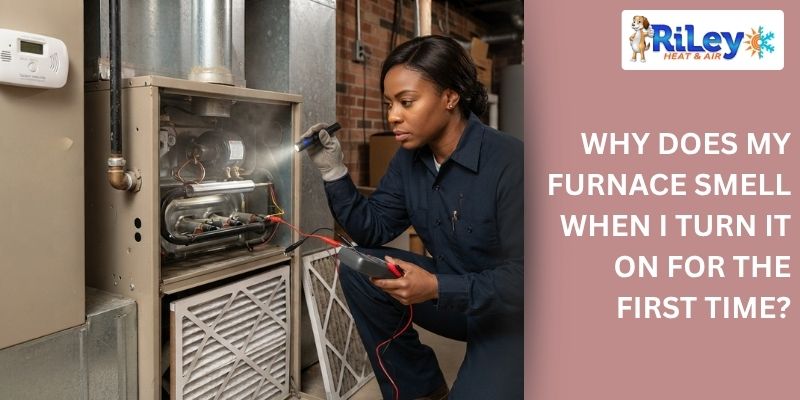
Why Does My Furnace Smell When I Turn It on for the First Time?
For those who start their furnace for the first time in many months, there is a possibility that the vents may give off a smell of burning or dust. It could be due to dust buildup, but there are odors that will mean that the system needs repair by professionals.
Scheduling regular furnace maintenance in the fall can help identify potential problems before the heating season begins. Homeowners in Maryland and Washington, DC, can have their heating systems inspected by a qualified HVAC technician.
Why Does a Furnace Smell When It Is First Turned On?
In the months when you do not use your furnace, dust as well as other particles may accumulate in the interior parts of the furnace, including the heating surfaces or any other parts of the furnace.
When this dust comes into contact with the heat in the furnace, it will burn, thus producing the burning smell for some time. This phenomenon occurs more frequently at the beginning of the season, and the smell of burning dust may persist for up to 30 minutes or even hours. It is less worrisome to have a diminishing smell produced by your furnace as it operates.
When Is a Burning Smell Normal?
If there is an unpleasant dusty odor or slightly burnt smell, then this could just be normal, but only during the first use of the furnace. The homeowners could experience this smell since they have not used their system for a number of months during the warm season.
Several easy-to-do things can be done:
- Allow the furnace to run and see if the smell persists
- Ensure that there are no obstructions in air vents or registers
- Inspect the filter in the furnace; replace it if dirty
- Should the smell be unpleasant, then let there be ventilation in the house
- It is necessary to check whether the smell gets reduced over time
When a filter is not cleaned, this results in reduced airflow and accumulation of dust. Homeowners must not take any risks regarding the smell of burning, thinking that this is dust.
Furnace Smells That Should Not Be Ignored
The kind of odor, its strength, and length of time can be a big clue as to a potential problem.
1. Burning Plastic Smell
Where there is an odor of melted plastic or burning plastic, it means that the part is overheated or there is a wiring issue. Such an odor should not be ignored since it is not just a dust odor.
Turn off the furnace and let a qualified HVAC technician inspect the furnace before using it again.
2. Electrical or Burning-Wire Smell
If there is an odor of burning electrical wires, it could mean that there is an issue with damaged electrical wiring or an overheating blower motor. In case there is a fault detected in an electrical appliance, running the electrical equipment may lead to damage of the equipment or even cause a fire.
A burning-wire or electrical odor may indicate overheating or an electrical fault. Stop using the furnace and contact a qualified HVAC technician. Do not open the equipment or attempt electrical repairs yourself. If there is smoke or a fire, leave the home and call emergency services.
3. Smell of Rotten Eggs or Sulphur
This is a terrible smell which needs to be sorted immediately, as it may be an indication of a gas leak in the house. Any self-repair attempt and use of electrical devices near the area where there is a smell of gas should not take place.
Get out of the house and call 911 or the gas company from a different location.
4. Musty or Mold Smell
If the musty odor isn't originating from the vents, then the cause could be moisture in the system, or even bacteria and mold present in parts of the HVAC system or ducts. So, neutralize or get rid of the smell rather than masking it using air fresheners.
The problem can easily be diagnosed whether it is emanating from the furnace, the ductwork, filter or other parts of the HVAC system.
What About Carbon Monoxide?
Extra care should be taken with CO in homes using fuel-fired heating systems. Unlike natural gas, CO does not have any odor or color and thus cannot be identified using the sense of smell.
According to the U.S. Consumer Product Safety Commission, CO can be generated from fuel-burning heating systems due to improper installation, inadequate maintenance, or poor ventilation of the system.
Carbon monoxide (CO) is colorless and odorless, so it cannot be detected by smell. If a CO alarm sounds, everyone should leave the building immediately, move to fresh air, and call 911 or the appropriate emergency service from outside. Do not re-enter until emergency responders confirm it is safe.
When Should You Call an HVAC Professional?
If the smell dissipates shortly after the furnace starts up, and the furnace is dusty, then there is likely no issue. But if the smell:
- The odor lasts longer than expected or does not fade.
- The smell becomes stronger instead of diminishing.
- The furnace makes unusual noises.
- Heating performance deteriorates.
- You notice soot, smoke, or other unusual signs.
- The odor returns every time the furnace operates.
- You suspect a gas leak or receive a carbon monoxide alarm.
Safety exception: Do not wait for a technician's routine appointment if you suspect a gas leak, fire, or carbon monoxide exposure. Follow the emergency guidance above.
If there is anything to do with combustion, electricity or gas lines, or even anything inside the furnace itself, then attempting repairs oneself will unnecessarily put one at risk. The skilled HVAC technician should be able to trace back the origin and see if there is anything that can be cleaned or replaced.
Keeping Your First Heating Cycle Safe
A dusty odor when starting your furnace for the first time in fall may be temporary, but unusual or persistent smells should never be ignored. Regular furnace maintenance can help identify potential issues, support reliable operation, and prepare your heating system for colder weather.
If your furnace produces an unusual odor or repeatedly develops the same problem, Riley Heat & Air can help homeowners in its Maryland and Washington, DC service areas identify the cause and determine the appropriate solution. Explore our heating and furnace services to learn more or arrange a professional inspection.