

RECENT POSTS
-
 October 19, 2026
 -
 October 12, 2026
 -
 October 5, 2026
 -
 September 22, 2026
 -
 September 15, 2026
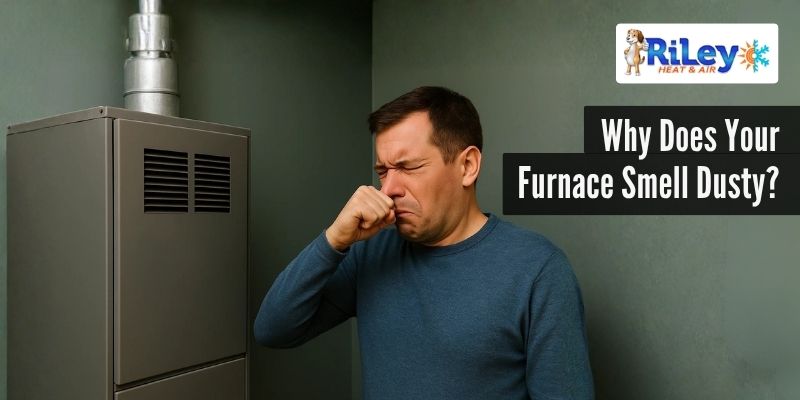
Why Your Furnace May Smell Dusty After Sitting All Summer
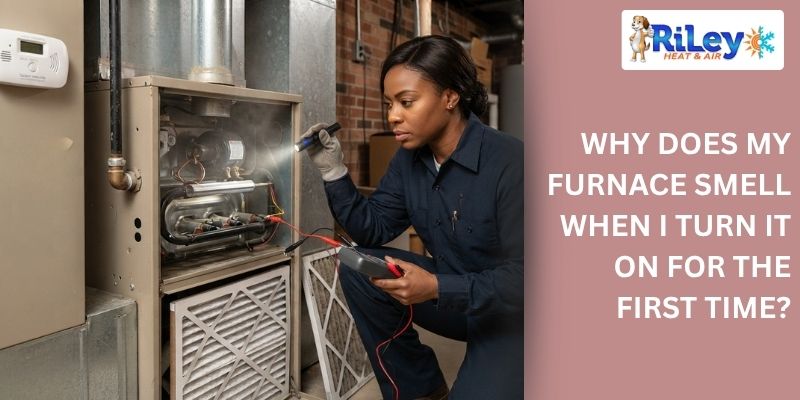
Once in a while, you will try to start up your furnace after an entire summer and discover there’s a layer of dust or a faint smell of burning coming from the vents. It may be quite scary, especially when you are ready to have your house warm, not smelly.
Nevertheless, sometimes, going through the smelly phase is normal. After several months of idling, dust may accumulate in your furnace components and ducts. Yet that dust may burn off at the time of switching on the device, giving you the smell of skunk. Usually, that smell goes away soon enough.
Yet, not all furnace odors are undesirable. They may even help you to save money on your house, equipment, and family comfort.
Why Does a Furnace Smell Dusty After Summer?
The fact of the matter is that your furnace will not operate for many months during air conditioning operation. This is the time during which dust may accumulate inside the heating components such as the heat exchanger, burners, air filters, and ducts.
These components are heated up when the furnace starts to work. The dust that accumulates there will be heated and can emit an odor, which is known as the burning dust smell. This is a very common thing and particularly occurs at the start of the season. In fact, the dusty smell or burning smell due to the accumulation of dust goes away after operating the system for some time.
How Long Should the Smell Last?
If it has a slight dusty smell, it should usually go away fairly soon. If the odor slowly fades during the run, there's little need for concern. Opening windows for short periods of time can aid in ventilation of the house until the odor is gone.
If the odor persists for several hours, intensifies or reappears during each furnace run, however, it should be investigated further. If the odor persists, then it could be a problem other than normal dust accumulation.
When a Dusty Smell Could Indicate a Problem
Not all odd furnace odors are caused by dust.
1. Burning Plastic or Electrical Odor
An odor resembling burning plastic or rubber or wires may be a sign that something is burning inside the system or there is an electrical problem. However, do not ignore the smell; call an experienced HVAC technician to check your heating equipment.
2. Rotten Egg or Sulfur Smell
If a rotten egg smell is noticeable around a gas furnace, there might be a leakage of natural gas from it. Do not wait to see any other symptoms of a gas leak and leave your home and call your gas provider.
3. Persistent Musty Smell
Musty air odor might be a result of dust accumulation, excessive moisture, or some other issues. An HVAC specialist will detect the exact source of an unpleasant smell.
4. Don't Forget the Air Filter
One of the easiest components to check on your HVAC system is the air filter. A dirty filter will allow dust and debris to build up and can block airflow. This can cause the furnace to run harder and can lead to poor indoor air quality and system performance.
Before turning your furnace on for the season, inspect your filter and change it as recommended by the manufacturer. It's also important to replace filters on a regular basis as part of regular furnace maintenance.
Why Annual Furnace Maintenance Matters
It is not enough to allow a furnace to sit idle for several months and simply neglect it until the first cold evening.
Professional maintenance makes it possible for an HVAC professional to examine the major parts, detect potential problems, and make sure that the HVAC equipment works correctly before it goes into around-the-clock operation mode.
According to the recommendation of the United States Consumer Product Safety Commission, you should have a professional check your fuel-burning heater system once a year.
Regular servicing can be used to help detect:
- Restricted airflow
- Soiled or broken parts
- Electrical problems
- Venting concerns
- Unusual equipment wear
- Performance issues
Taking care of these issues in advance can help minimize the risk of an unexpected failure during the winter.
What About Carbon Monoxide?
Key safety reminder: Carbon Monoxide has no smell. Colorless and odorless gas that can be produced due to malfunction of any fuel-burning appliances or poor ventilation, such as in furnaces. Every house needs CO alarms that work on all floors and outside the sleeping area. If your CO detector goes off, get out immediately and call for help! Don’t try to locate the source!
Prepare Your Furnace Before Winter
To use your furnace during the cold winter months, consider a few simple steps:
- Test and/or replace the air filter.
- Ensure that supply and return air vents are kept clear.
- Remove all debris from the furnace area.
- Test your thermostat.
- Check that smoke and carbon monoxide alarms are working.
For systems that haven't been serviced professionally in some time, set up a maintenance appointment. The small steps can help ease the transition between summer cooling and winter heating, while also being an effective way of detecting issues before they become an emergency.
Stay Comfortable with Riley Heat & Air
If your furnace has been switched off all through the summer season, the first time you turn it on could simply be the smell of the dust being burnt off. If the smell persists, there is a change in the smell or if you hear unusual sounds, then it might be a good idea to have the system checked out.
You can trust Riley Heat & Air for their professional services like HVAC maintenance and repairs as well as their quality heating solutions. Investing a little effort into your heating system during winter will go a long way in making you comfortable during the winter season.