

RECENT POSTS
-
 October 1, 2026
 -
 September 22, 2026
 -
 September 15, 2026
 -
 September 8, 2026
 -
 September 1, 2026
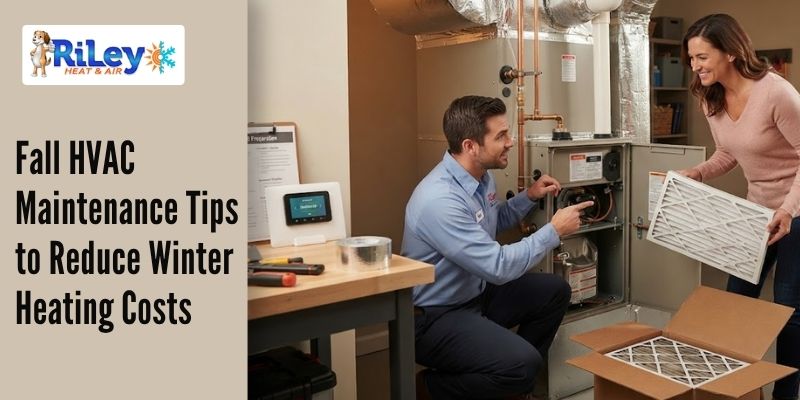
5 Fall HVAC Habits to Help Reduce Winter Heating Costs
Homeowners usually turn on heating on the first “cold day” when it is too cold outside. At this moment, the HVAC system might be ineffective, the filter clogged, and the problem with the ducts undetected, which means that the home will be harder and more expensive to heat.
Homeowners can prepare their HVAC systems before winter arrives. Practicing fall HVAC maintenance can help improve system efficiency and prevent unnecessary energy expenses during the winter season. Below are five recommendations to help improve home heating efficiency and manage winter heating costs.
Schedule a Professional Fall HVAC Tune-Up
The best practice for the fall season is getting a professional inspection of the heating system before its heavy use. ENERGY STAR recommends conducting an inspection of the heating system in the fall before the beginning of winter heating.
A professional heating system inspection can identify potential problems before the system is used heavily during cold weather. Depending on the type of equipment, a technician may inspect the wiring, moving components, controls, airflow, burners, and heat exchangers.
Inspection of the components related to the combustion and heat exchange process is crucial for gas and oil heating systems, as improper operation may influence safety and performance of the system. Regular heating system maintenance can also help in increasing the life span of equipment by diagnosing possible excessive wear of some components.
Check and Replace the Air Filter Regularly
An air filter is a relatively small component of an HVAC system which, however, plays a significant role in the operation of this system. Dust and other contaminants clogged in a filter, result in a smaller amount of air flowing through it, and, therefore, a system will have to operate longer or work harder in order to provide a certain amount of conditioned air.
According to ENERGY STAR, central HVAC filters should be checked once a month during peak usage periods, and replaced whenever they become dirty, at least once every three months. This interval may vary depending on filter type, type of equipment, and other factors.
Fall is an excellent time to establish a regular HVAC air filter replacement routine as the heating system begins operating more frequently. Replacement filters should be compatible with the equipment and meet the manufacturer's specifications. Filters with excessive airflow resistance can negatively affect system performance.
Review Thermostat Settings Before Winter
Thermostat behaviors affect the frequency of use of the heating system. It is important for homeowners to ensure that their thermostats are working correctly before winter and also the temperature program.
A programmable thermostat will ensure that the use of the heating system is reduced when people are not in the house. Apart from ensuring enhanced control and energy savings, the ENERGY STAR-qualified smart thermostat can also be used in homes with high-heat and homes where there is no one most of the time.
The goal is to maintain comfortable indoor temperatures without unnecessarily heating unoccupied spaces. Proper thermostat settings can help manage energy use, while the thermostat's location can affect temperature readings. Learn more about how an open floor plan affects fall heating performance.
Check Ductwork and Airflow
Even though the heating system is functioning well, the system may become less efficient due to the loss of the heated air as a result of poor sealing or damages to the ducts.
Leaks, holes, and poorly connected ducts could cause typical houses to lose 20% to 30% of the air which goes through the duct system as per the estimate by ENERGY STAR. This causes higher costs for heating and cold rooms during winter.
Certainly, before winter comes, it is important for homeowners to keep in mind rooms which continue to be colder than others, poor airflow through the registers, unusual sounds from the duct system as well as any disconnected or damaged ductwork.
Sealing and insulating the system will help improve its efficiency and comfort, particularly if the duct runs through the unconditioned area like the attic, crawl space, or the garage.
Duct systems can be difficult to assess and evaluate; therefore, it would be better to get professional assessment by a HVAC technician when experiencing problems with airflow or temperature.
Reduce Heat Loss Around the Home
HVAC system efficiency is not the only determinant in the cost of heating. The heated air is very likely to escape through the gaps in windows, doors, and the other areas of the building envelope, and the heating system will keep on working to provide replacement to the lost heat.
The best period to carry out inspection for drafts in the weatherstripping, caulking, doors, windows, and other areas would be during the fall. The air leakage can be curbed through steps as suggested by the U.S. Department of Energy.
Some of the other weatherization steps which could be considered from the homeowner's perspective are insulation and/or duct insulation (as appropriate). The whole house method looks at the building envelope as well as HVAC equipment.
Make Fall Preparation a Yearly Habit
Preparing your heating system before winter does not always require major investments in new equipment. Consistent fall HVAC maintenance, including professional tune-ups, regular filter replacement, appropriate thermostat settings, and reducing heat loss, can help improve comfort and manage winter heating costs.
Fall gives homeowners time to identify and address potential problems before colder weather arrives. The expert team at Riley Heat & Air is ready to assist homeowners in Maryland and Washington, DC, with their HVAC needs. Schedule a professional inspection to help prepare your heating system for the winter season.
Tags :