

RECENT POSTS
-
 October 19, 2026
 -
 October 12, 2026
 -
 October 5, 2026
 -
 September 22, 2026
 -
 September 15, 2026
How Fall Leaves and Outdoor Debris Can Affect Your HVAC Equipment
Fall brings cold weather and colors, along with leaves that are everywhere in the yard. While the leaves may seem harmless enough, there is the potential for them to pose problems for the HVAC systems that keep your Maryland home comfortable.
Debris such as leaves, grass clippings, twigs, and mulch, among other things, can become lodged around an outdoor condenser or heat pump unit, causing restrictions and straining the unit. But there are a few maintenance tips that will ensure you keep your equipment intact.
Why Fall Debris Is a Problem for HVAC Systems
The correct airflow is vital for the proper functioning of outdoor HVAC systems. The condenser fan forces air across the condenser coil, which removes the heat from the system. Debris starts accumulating around the outdoor unit, as well as inside the unit, blocking the airflow.
Over time, the outdoor condenser coil will become surrounded by material that prevents efficient heat exchange by the condenser, making it work harder than before. It could result in low efficiency of the unit, high costs of operation, and higher wear of its parts.
The necessity of keeping the outdoor unit free from obstacles is particularly crucial when dealing with heat pumps since these systems can be used in the autumn and winter periods.
1. Leaves Can Block Airflow
One of the most typical seasonal issues for outdoor HVAC systems are fallen leaves. Leaves around the base of the unit may be unimportant but may be blown against the coil fins or under the equipment. Wet leaves can sometimes be compacted and hard to pick up.
When airflow is impaired, the ability to transfer heat is decreased. The equipment, in turn, can also operate for extended periods of time or have a harder time keeping the interior temperature consistent. Maintaining a perimeter around the outdoor unit that allows it to breathe is important.
2. Debris Can Clog the Condenser Coil
Leaves are not the only issue to consider. The small metal fins that are located in between the condenser coil can trap tiny sticks, grass cuttings, dust, seeds, and all kinds of "junk" from the outside world.
This junk can accumulate in the fins, making them inefficient in their process of heat transfer and air circulation. Leaves, grass cuttings, and all other debris that gets collected by the leaves or weeds make the condenser less effective in its work of cooling. You need to be careful when cleaning the fins since they are very fragile.
3. Moisture and Organic Debris Can Create Additional Issues
The debris of the fall season may retain water in it after the rain. If leaves are allowed to gather on the outdoor unit, then there will be dirt accumulation in it. It will also allow water retention along with some organic material, which may lead to mold formation.
Debris on an outdoor unit can hide other issues like rusting, broken wiring, bent fins, which may be causing problems in it. The outdoor unit, which is cleaned, allows for periodic inspections.
4. Heat Pumps Need Special Attention
Fall maintenance is particularly crucial for Maryland homeowners who have heat pumps. A heat pump can be used all year round, while a standard air conditioning system can be switched on only during summer. This means that leaves and debris that are around the outdoor unit can get in the way of the unit's performance when it is in use to heat or cool.
Experts suggest that outdoor heat pump equipment be kept free of leaves, dirt, and snow to ensure that there is proper airflow.
How Homeowners Can Protect Their HVAC Equipment
Fortunately, maintaining a clear area around your outdoor HVAC unit doesn't have to be complicated.
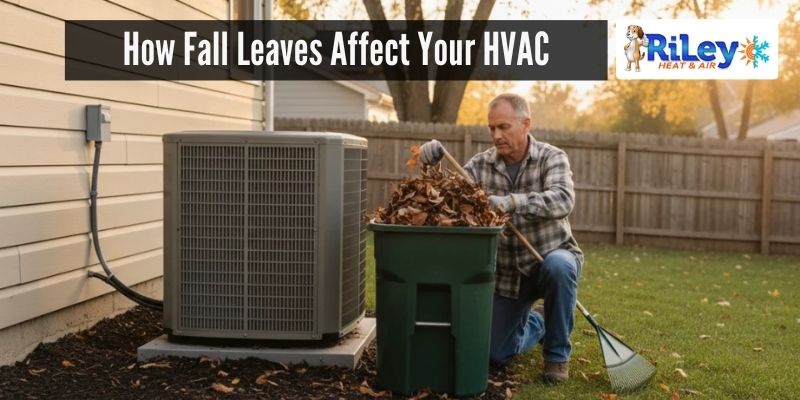
- Clear Leaves Regularly: Please take time to clean up leaves at the end of fall. Inspect the unit regularly, especially after windy weather. Clear leaves, branches, grass, and other loose material off equipment.
- Maintain Adequate Clearance: Don't obstruct the exterior unit with vegetation, landscaping, or other items. To ensure proper airflow, a minimum of 2-3 feet of clearance is recommended around residential outdoor AC systems, according to Carrier.
- Be Careful Around the Coil Fins: The aluminum fins around the condenser are easily bent. Do not strike them with equipment such as rakes or shovels. For more comprehensive cleaning, it may be best to have a professional service.
- Don't Use a Pressure Washer: Cleaning an outdoor HVAC unit with a pressure washer might sound like a good idea, but too much pressure can harm the coil fins. Rather, a gentle cleaning approach is recommended.
Fall Is a Good Time for HVAC Maintenance
Fall is not only about raking leaves, but it is also the season when you have to make sure your HVAC system is ready for the cooler days ahead.
Professional service by an HVAC technician will include inspection of critical components, cleaning of the coils, testing of the electrical connections, testing of airflow, and much more before they turn into unscheduled breakdowns. Maintenance of the HVAC system is strongly advised, especially during spring and fall.
Be alert for:
- Unusual noises
- Reduced airflow
- Longer-than-normal run times
- Uneven temperatures
- Unpredicted increases in energy costs
- Frequent cycling
These can be signs of needing professional help.
Keep Your HVAC System Ready for the Season
Though falling leaves may create an attractive fall scene, they should not become a part of your HVAC system. The removal of leaves, plants, and other debris from outdoor equipment may help to ensure adequate airflow and the efficient operation of your equipment throughout different seasons.
Small steps taken during the fall may greatly benefit your heating and cooling equipment in Maryland. At Riley Heat & Air, we can service, clean, and prepare your HVAC equipment for changes in Maryland's weather. If the outdoor unit needs servicing and a seasonal inspection, professional service will help you keep your home comfortable and trouble-free.