

RECENT POSTS
-
 September 15, 2026
 -
 September 8, 2026
 -
 September 1, 2026
 -
 August 24, 2026
 -
 August 17, 2026
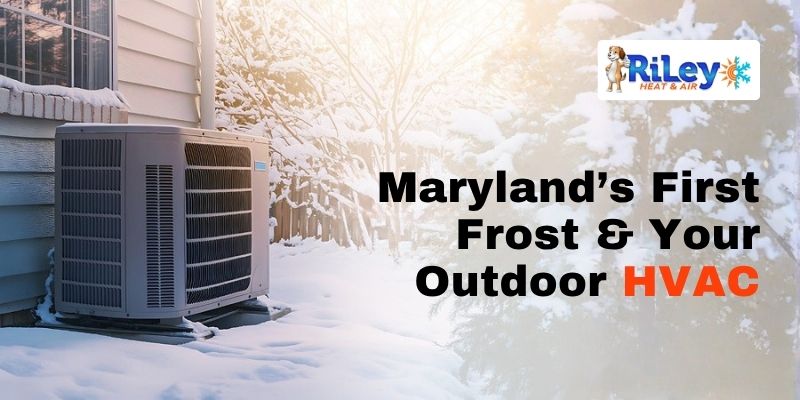
How Maryland’s First Frost Can Affect Outdoor HVAC Components
The initial frost morning in Maryland may go unnoticed. You go out and find the formation of ice on the grass as well as other surfaces and carry on with your activities. But for those with HVAC systems, the drop in temperature heralds the arrival of a completely new season of HVAC activity.
When temperatures become cold, it may affect the outdoor components of HVAC systems that continue to operate through winter, particularly the heat pump. You should be aware of what is happening and take steps for maintenance when the heating demand is highest.
What Happens to Your Outdoor HVAC Unit When Frost Arrives?
Frost occurs as a result of moisture contained in air condensing on surfaces that have temperatures below the dew point. In the course of the cool and wet conditions present outside, the coils and other external components of the HVAC system start frosting.
A typical air conditioning system that is no longer being utilized for the purpose of cooling does not pose any significant problem even with a thin coat of frost on it. This is not the situation when it comes to an air source heat pump.
In the process of warming the system, it draws heat from the surrounding air. Consequently, the coil becomes colder than its surroundings and hence causes the formation of ice on the surface. Sufficient frosting of the coil might affect heat transfer and airflow. This explains why heat pumps have a defrost cycle.
How Frost Affects Heat Pump Performance
Frost formation in certain heating situations is quite common. The trouble comes when frost forms faster than it is able to melt.
Excessive frost formation can lead to:
- Closing of vents to the outside coil, thereby reducing airflow
- Reduced heat transfer efficiency
- Increasing load on the system
- Heating for a longer period
- Using more energy
- Decreasing heating efficiency
Additionally, frost build-up on outdoor coils of heat-pump systems can cause heat transfer and airflow to decrease, requiring periodic defrost cycles in order to retain heat transfer and airflow. So, if you see some frost, it doesn't necessarily indicate a problem with your heat pump. That's about the system managing that frost.
The Importance of the Defrost Cycle
Almost all modern heat pumps have a method of automatically defrosting the exterior coil. The defrosting cycle is a relatively short period wherein the refrigeration cycle is run in reverse in order to move heat to the collector coil at the exterior of the device, where it is used for melting the accumulated ice. Defrosting is just another aspect of the heat pump operation in cold conditions.
The external fan stops running momentarily, steam comes out of the exterior unit, or there is a difference in the sound made by the device. All of these can take place during the defrosting procedure.
But if the defrosting is happening too often and for too long, it can point to a problem. Problems with frost control may occur because of airflow issues, sensor issues, refrigerant charge problems, controls, or any other malfunction in the heat pump that makes the device unable to properly control the frost.
1. Keep the Outdoor Unit Clear
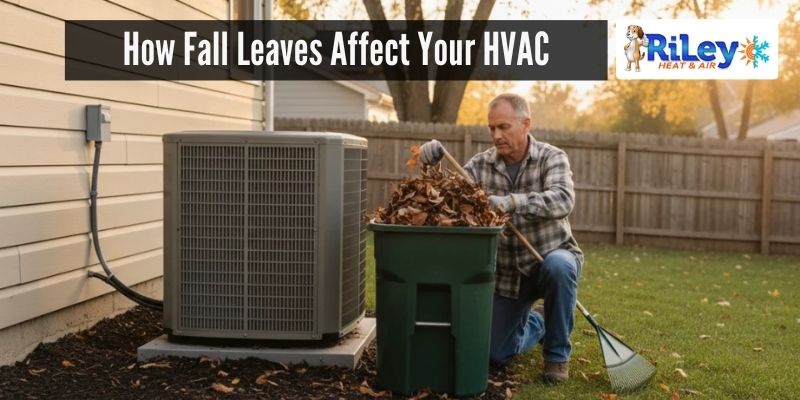
The presence of frost is yet another great way of knowing that the perimeter of your outdoor HVAC system needs attention. In the autumn season, various kinds of debris such as leaves, grass, branches, and many other kinds of debris may gather around your HVAC system unit. This will make your HVAC system work inefficiently, especially during moisture, frost, and cold weather conditions.
Make sure that there is always some space around the outdoor HVAC unit, and nothing should be kept close to the HVAC system unit. In addition, it is important to avoid chipping away thick ice from the coil of the HVAC system.
2. Don't Cover a Heat Pump While It's Operating
One of the common mistakes people make is the belief that the outdoor HVAC unit does not require covering when it turns cold. The heat pump should not be covered when it is working because it will affect the airflow and functioning during the cold season. Instead, the correct maintenance procedure for the cold season should be followed.
If you have a regular central air conditioning unit that will not be used during the cold season, seek advice from an HVAC professional on whether your specific unit requires special winter coverage. It is determined by the system you have.
3. Watch for Warning Signs
As soon as there is frost in your system, look out for signs of heating problems after the first frost.
Look for one of these signs to contact your HVAC professional:
- Hard ice that will not melt.
- Abnormally high defrost cycles.
- Inconsistently fluctuating temperature or low temperature.
- Strange sounds from the outside unit.
- Your system runs too much.
- You have higher utility bills for no good reason.
Don't wait until the problem is at its end to dig into it. Once it gets colder, a little bit of performance can be a lot of trouble.
Schedule a Professional Fall HVAC Inspection
The fall and winter season transition in Maryland is the best period to get your heating system checked by professionals. A system checkup by professionals will test the outdoor equipment, the electrical parts, airflow, performance according to the refrigerant used, and the overall functioning of the system.
This is especially important if you have a heat pump since it may need to switch from cooling during summer to warming during winter. A seasonal checkup is an ideal opportunity for property owners to deal with any issues cropping up.
Prepare Your HVAC System for Maryland's Cold Season
It’s not just the end of the beginning of summer; it’s the beginning of a difficult season for your HVAC unit. Frost buildup and airflow problems, or improper defrosting, can affect the operation of your heat pump.
Riley Heat & Air will help you prepare your HVAC system for the change of seasons in Maryland. Get your HVAC prepared for the cold months ahead when frost is forming on your unit in an abnormal way or when it’s time for a fall inspection.