

RECENT POSTS
-
 September 22, 2026
 -
 September 15, 2026
 -
 September 8, 2026
 -
 September 1, 2026
 -
 August 24, 2026
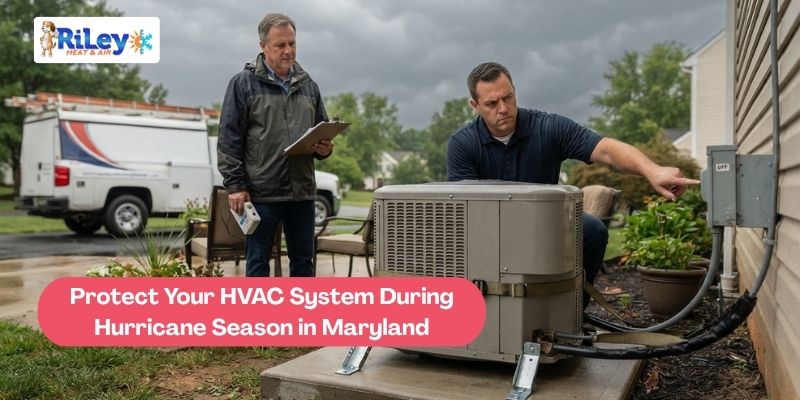
Protect Your HVAC System During Hurricane Season in Maryland
Your home in Maryland may face more than heavy rain and strong winds during hurricane season. Your HVAC system can be put at risk by flooding, power outages, lightning strikes, or debris thrown around by strong winds. While preparing your home for a storm, it can be easy to overlook your HVAC system among all the windows, roof, generator, and other emergency preparations.
Here are some precautions that can help protect your HVAC system from storm-related damage.
Why Hurricanes Can Damage HVAC Systems
Outdoor air conditioning units are especially susceptible to extreme weather because they are exposed to the elements. Hurricanes and tropical storms can create a variety of hazards, such as:
- Heavy rain and flooding
- High winds
- Lightning and electrical surges
- Flying debris and branches
- Extended power outages
- Excessive moisture and humidity
Floodwater poses a particular risk because it can damage electrical components, motors, wiring, and other parts of an outdoor HVAC system.
1. Schedule an HVAC Inspection Before Storm Season
One of the best ways to prepare is to have a professional inspect your HVAC system before severe weather arrives.
A technician can check:
- Electrical connections
- Refrigerant levels
- Condenser components
- Drainage
- Wiring
- Airflow
- Overall system condition
Pre-season maintenance can also identify problems that could become more serious during or after a storm. Hurricane season is not the right time to discover that your equipment is already struggling with cooling your home.
2. Protect the Outdoor Unit from Debris
Loose materials, branches, and other objects can become projectiles during strong winds.
Before the storm, check the area around the outdoor condenser and secure or move any loose objects, including:
- Patio furniture
- Garden tools
- Potted plants
- Decorations
- Yard equipment
- Loose branches
Keep grass and vegetation trimmed around the unit and maintain adequate clearance for proper airflow.
Do not place permanent covers or improvised barriers directly over or around the condenser unless recommended by an HVAC professional. Improperly covering the unit can restrict airflow or create other problems.
3. Turn Off Your HVAC System Before the Storm
As a hurricane or severe storm approaches, you may need to turn off your HVAC system. Follow the manufacturer's recommendations and guidance from your utility provider or HVAC professional.
Turning off the system before severe weather can help reduce the risk of damage from electrical surges and flooding. However, do not assume that you should turn the HVAC system back on simply because a generator is running. The generator must have sufficient capacity, and the system must be connected safely.
Never connect a generator directly to your home's electrical system unless it has been properly installed with the required transfer equipment by a qualified professional.
4. Protect Against Electrical Surges
HVAC electronics may be affected by lighting and unstable electrical supply. Installation of surge protection will provide an additional safeguard against surges in your home’s HVAC equipment as well as other large machines depending on the electrical system in your house.
An expert electrician or HVAC professional can assist in establishing whether your home requires HVAC surge protection or whole-home surge protection. This is particularly important for modern HVAC systems with complex electronics, variable-speed equipment and smart thermostats.
5. Never Operate an HVAC System Exposed to Floodwater
Electrical hazards are a serious concern whenever flooding occurs. If floodwater has reached an outdoor HVAC unit, do not turn the system back on, even if it appears to be working normally. Water may have entered electrical components or other parts of the system.
Instead:
- Keep the system turned off.
- Do not touch the equipment if there is any possibility that it could be energized.
- Contact a qualified HVAC professional for an inspection.
- Do not turn the system back on until it has been professionally evaluated.
Depending on the extent of the damage, the equipment may require cleaning, repairs, or replacement.
6. Check Your HVAC System After the Hurricane
Once the storm has passed, don't immediately switch your air conditioner back on. First, check the area surrounding the outdoor unit at a distance.
Look for:
- Standing water
- Mud or debris
- Visible physical damage
- Bent components
- Damaged wiring
- Unusual odors
- Loose electrical components
If it appears damaged, or flooding has occurred, remove it and contact a professional for inspection. Inspect the indoor system for water leaks, weird noises and abnormalities in air movement, too.
7. Don't Forget Indoor Air Quality
Maryland's humidity can become particularly uncomfortable after a hurricane, especially if you experience a power outage and your HVAC system is unable to operate. After power and cooling are restored, monitor indoor humidity and airflow. Excess moisture can contribute to moisture damage and create conditions that support mold growth.
If your home has experienced flooding or significant water intrusion, don't rely on the heating and cooling system to dry out the affected areas. Water-damaged areas should be addressed promptly and professionally.
8. Prepare a Simple HVAC Emergency Plan
With a bit of help, recovery from the storm will be easier.
Before hurricane season:
- Keep a list of your HVAC company's details
- Schedule preventive maintenance
- Remove dirt from outside unit
- Examine your plumbing system
- Think about how to protect from surges
- Know your generator's capacity
- Have HVAC filters on hand
- Check homeowner's policy
These steps will help you avoid hasty decisions in an emergency.
Keep Your HVAC Ready for Maryland's Storm Season
Preparing for a hurricane means protecting your home from wind and rain, but don't overlook your HVAC system. Proper maintenance, securing the area around the outdoor unit, protecting against electrical surges, and knowing when to shut down the system can help reduce the risk of storm-related damage.
If you're a Maryland resident and want your heating and air conditioning system to be prepared for severe weather, Riley Heat & Air can help. From system maintenance and repairs to evaluating your HVAC equipment before and after severe weather, our team can help keep your system operating safely and efficiently.